
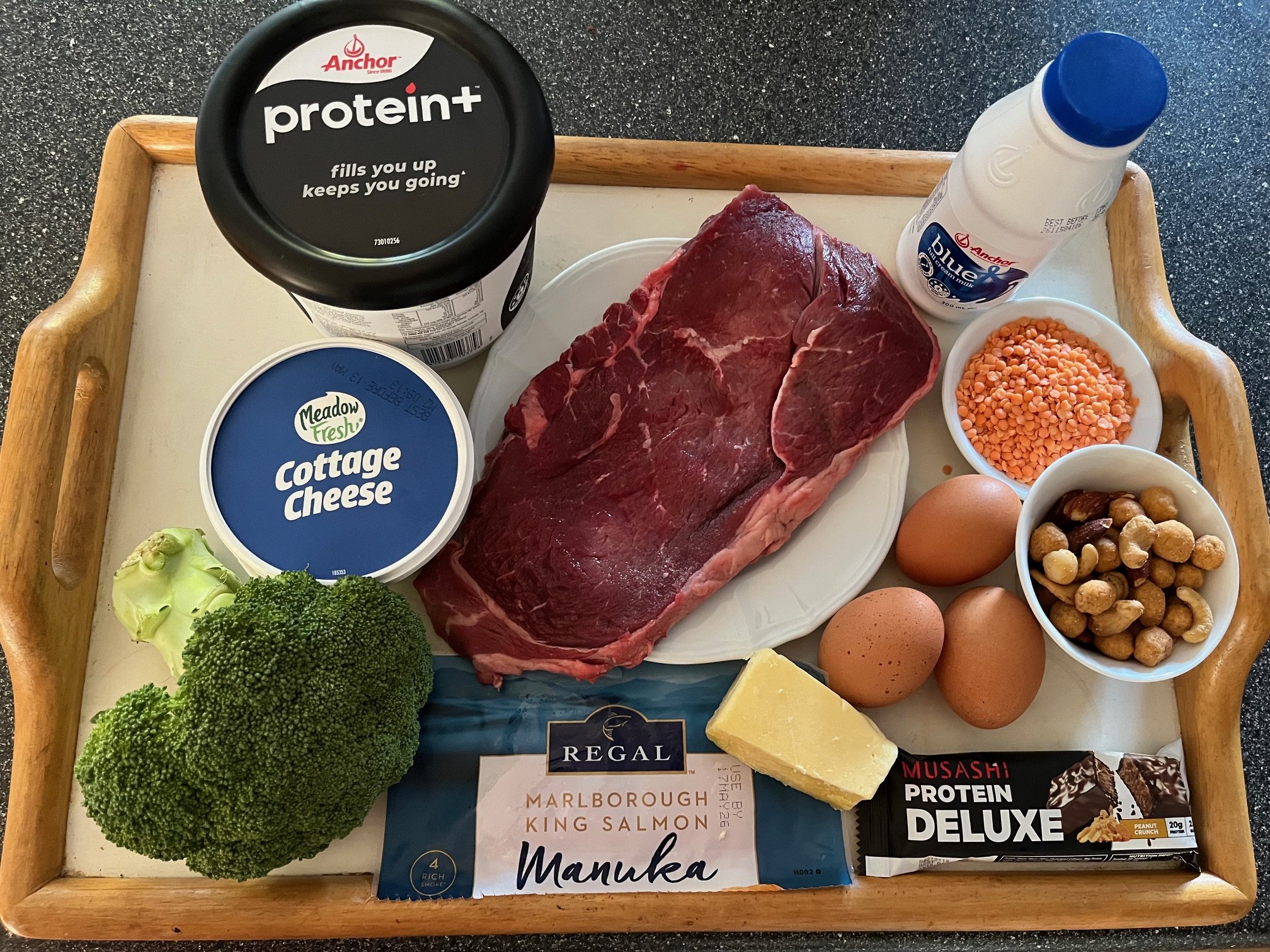
Browse the NZ supermarket shelves and the range of protein products may just stop you in your tracks.
You’ll be spoilt for choice – increasingly so - thanks to protein bars, powders, chips, cereals, crackers, hummus, pasta, protein+ yoghurt and protein-added peanut butter. This nutrient is trending.
That protein is a “massive trend” at the moment is something food scientist Sarah Walter is well aware of. Sarah is Co-Founder and Innovation Director for Beverage and Food Gurus (BFG) in the company’s Auckland independent product development laboratory. BFG (a NZ Beverage Council member) is a comprehensive food and beverage technology solutions provider covering the spectrum from idea generation to shelf. Protein-rich foods and drinks are certainly under the microscope at BFG at present – there’s a lot of innovation around forms and sources of proteins, Sarah confirms. With that innovation comes excitement.
“What’s exciting is that the technology is catching up with consumer expectations, so it’s no longer just about adding dairy protein, it’s about how efficiently and responsibly that protein is produced, and how well it performs in taste and texture,” Sarah says. It’s a nutrient well worth the attention and innovation, given that protein is essential in every bodily tissue including muscle, bone, skin and the brain. And hence this interest in protein isn’t a fad. Rather, it has evolved over time, and continues to do so, Sarah states.
“We’re moving into a phase where protein is not just an add-on, but an integrated, highly functional ingredient that can support satiety, gut health and overall wellness, so I think we’ll continue to see both diversification of sources and improvements in how protein is delivered,” Sarah says.
Interest in protein is being amplified by social media influencers, and the media too is picking up on it – a lengthy, comprehensive article on protein featured, for example, in a recent edition of NZ Listener. The result is an abundance of information on the benefits of protein, how much protein is required daily per kilo of body weight, how protein is best consumed, where protein sits on the food triangle…it’s hugely topical. Some industry observers trace protein’s ascent to Covid times, when consumers instinctively turned to health and immunity-enhancing foods.
Regardless of timing or cause, the demand for protein product is indisputably high. And so, Sarah notes, manufacturers and brands are heeding the call, making protein more available, convenient and great tasting. The need to get protein on board one way or another can’t be ignored. New guidelines coming out of America even suggest people should prioritise protein foods at every meal. Doing so is becoming easier as ways of including protein goodness in a daily diet are constantly being expanded.
Protein innovation is rapidly expanding beyond traditional powder formats, Sarah states, and the supermarket shelves confirm. “Advances in solubility, mouthfeel and bioavailability are enabling more seamless incorporation into everyday foods and beverages,” Sarah reports.
So why is protein so pertinent to wellness? As the NZ Listener article explained, protein is made up of more than 20 amino acid “building blocks,” nine of which are essential amino acids we can’t make in the body. They have to be attained from food. Ignore this advice at your peril…lack of protein leads to loss of muscle, lowered immunity, hair loss and jaundice, to name but some issues, the article states.
Protein – along with fat and carbohydrates – is one of the three macro-nutrients in food. “While it has never been demonised in the cycle of dietary trends, it has never had main character energy either.” Until recently. The days of the protein powder in the household, being solely for the young men trying to bulk up, are over. That protein powder (or other protein product) could well belong to the mums in the households. Menopausal women, for example, are told that oestrogen decline reduces muscle mass and bone density, making higher protein intake crucial for maintaining metabolism and strength. Or it could be the protein products are being consumed by the growing number of women interested in strength and weight training.
Of course, protein is about much more than muscle-growth, and muscle repair and bone tissue. As nutritionists tell us, it’s important for water regulation, hormones, enzymes and neurotransmitters. And it has a role to play in impacting appetite regulation, mood and blood sugar stabilisation. It’s little wonder people are sitting up and taking note of the power of protein.
They may well notice, Sarah states, how the next wave of protein innovation is being shaped as much by sustainability and lifestyle choices as by nutrition. “We’re starting to see real momentum in alternative protein sources that can deliver both functional benefits and a lighter environmental footprint as well as plant-based lifestyle diets. That includes plant- based proteins such as pea, rice, chickpea and emerging sources like algae.
She believes the future of protein-boosted products may well lie not only in more sustainable forms, but also in products that incorporate other nutrients, such as fibre and hydration. “I do think high protein diets are here to stay, but I think it will evolve to maybe moving away from dairy for a subset of the population into those more plant-based products. They can have a lower content of protein, but they are still being isolated and refined,” Sarah says.
The current protein trend is global. Sarah’s noted a huge swing towards GLP-1 (appetite suppressor) friendly, protein-rich food products too. “Whether it’s a drink or a meal replacement or a protein bar, it’s definitely very big in the US,” she says.
Back to NZ and Sarah’s daily intake of this crucial nutrient? That would include consumption in beverage form. She has a protein smoothie each day, which she boosts with fibre and electrolytes.

Sarah Walter
More about Beverage and Food Gurus.
Founded in 2021, the BFG’s three founders have a combined 65+ years in the food and beverage industry having been involved in the launch of over 1000 new products into NZ/Australian and UK markets. They are supported by a team of four qualified product development technologists.
This boutique food technologist consultancy service enjoys strong partnerships across the research, supplier and contract packing eco-system.
By Monique Balvert OConnor
(Supermarket News - May 2026)